2026-05-25
What Are the Different Types of Nasal Implants?
Hello. This is Vibe Plastic Surgery. Nasal implants used in rhinoplasty must be made of stable materials, as they need to remain in place for a long time without side effects after being inserted into our bodies. Today, we will explain in detail what types of nasal implants are used in rhinoplasty. Types of nasal implants? Ear cartilage not only creates a natural shape but also moves naturally, giving a feeling similar to your original nose...

Hello.
This is Vibe Plastic Surgery.

Nasal implants used in rhinoplasty are inserted into our bodies,
and because they must remain in place for a long time without side effects,
they need to be made of stable materials.
So, what types of nasal implants
are actually used in rhinoplasty?
Today, we will explain them to you in detail.
Types of Nasal Implants?
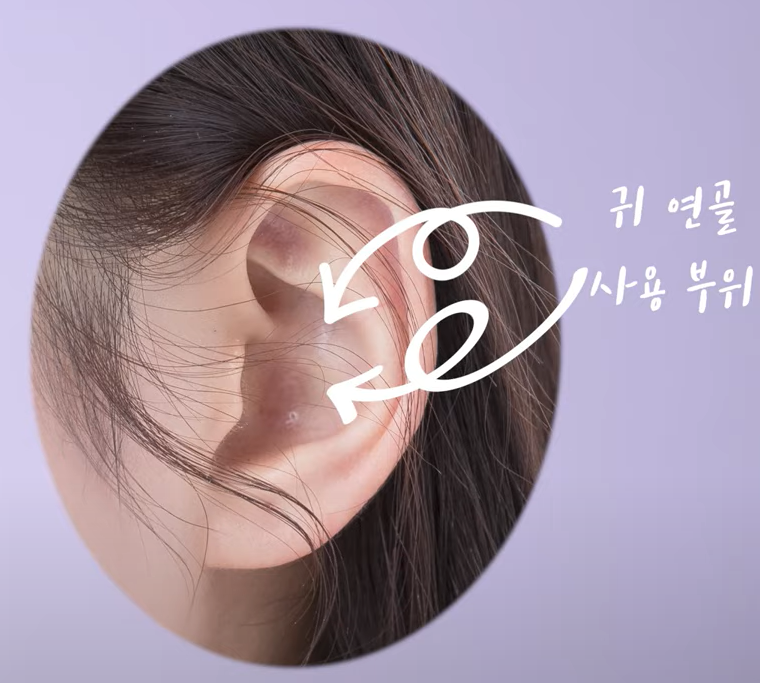
Ear Cartilage
Not only does it create a natural shape,
but its movement is also natural,
giving a feel very similar to your original nose.
It is an autologous tissue that can minimize
any artificial appearance, making it highly preferred.
Because it is harvested from the innermost part behind the ear,
which has almost no functional role, it does not place a significant burden on the body.
Additionally, ear cartilage has characteristics very similar to the nasal tip cartilage,
making it the most suitable material for creating a natural nasal tip shape.
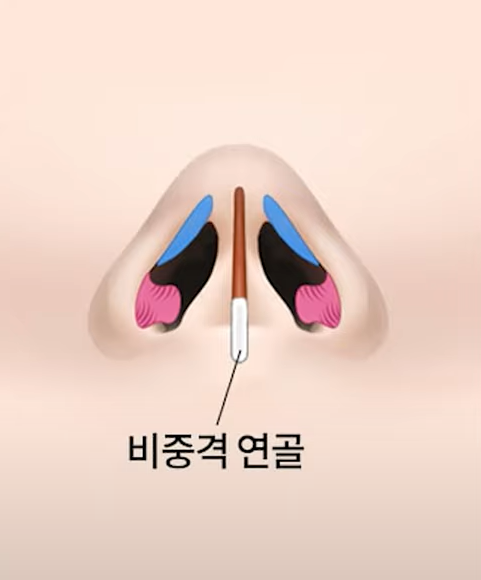
Septal Cartilage
This is the cartilage located in the center of the inside of the nose.
Because it is harvested from inside the nose, no separate external incision is required.
However, the amount of septal cartilage that can be harvested varies from person to person.
In cases where it is difficult to harvest a sufficient amount,
additional artificial implants may be necessary.
Depending on the case, you should consult with a board-certified plastic surgeon
and make a decision after a thorough discussion.
Autologous Rib Cartilage
On the side where the ribs are located,
an incision of about 1.5 to 2 cm is made,
and about 3 to 4 cm of the inner cartilage is harvested for use.
It has high support and durability, so it is mainly used
when extending the columella or shaping the nose.
It is frequently used for flat noses, short noses, and revision rhinoplasty.
Furthermore, rib cartilage is broadly divided into autologous rib cartilage
and donated rib cartilage, making up these two categories.
Autologous rib cartilage, as the name suggests,
uses your own rib cartilage,
and donated rib cartilage refers to rib cartilage received from a donor.
Donated Rib Cartilage
After harvesting rib cartilage from a human body,
it undergoes sufficient chemical processing
and is processed into a material safe for insertion into the human body.
Because of this, since rib cartilage is not harvested from your own body,
it has the advantage of leaving no scars or causing donor-site pain.
We have now looked into the different types of nasal implants.
Rhinoplasty requires a high level of understanding of anatomical structures,
aesthetic beauty, and functional issues of the nose.
Because it is a surgery that must consider these factors, from surgical planning to aftercare,
you must make your choices carefully.
Thus, when considering rhinoplasty, through a consultation with a board-certified plastic surgeon,
we recommend that you make your decision.
If you have any other questions regarding nose surgery,
please visit Vibe Plastic Surgery for a consultation.





Frequently Asked Questions
What are the advantages of using ear cartilage for nose surgery?
Yes, the advantage is that it can create a very natural-looking nasal tip. Ear cartilage is similar in characteristics to nasal tip cartilage, minimizing an artificial feel, and it is harvested from the inner part behind the ear, where it has almost no functional role, thus placing little burden on the body.
Will there be a scar when harvesting septal cartilage?
No, there will be no visible external scars. Septal cartilage is located in the center of the nose and is harvested directly from inside the nose, so no external incision is required. However, the amount that can be harvested varies from person to person, so consultation with a specialist is necessary.
What kind of nose surgeries are autologous costal cartilage mainly used for?
It is mainly used for low noses, short noses, and revision rhinoplasty. Autologous costal cartilage, harvested from the rib area, has excellent support and durability, making it a suitable material for extending the columella or firmly shaping the overall nose.
Is there less pain when using donated costal cartilage?
Yes, because cartilage is not harvested directly from your own body, there is no pain or scarring at the harvest site. Donated costal cartilage is a material that undergoes sufficient chemical treatment and processing to be safely inserted into the human body, so you can use it with confidence.