2026-05-25
Is Shaving Down a Hump Nose Always the Right Answer?
Hello. This is Vibe Plastic Surgery. A straight and well-proportioned nose can give the entire face a stable balance and a refined, distinct image. However, a hump nose can give off a fierce impression, so many people look into hump nose rhinoplasty to change this image. What is a hump nose? It is called a hump nose because the shape of the nose looks like a hawk's beak. In the case of a hump nose, not only the external appearance but also the inside of the nose...
Hello.
This is Vibe Plastic Surgery.
A straight and well-proportioned nose can give the entire face a stable balance and
a refined, distinct image, but
a hump nose can give off a fierce impression, so
to change this kind of image,
many people look into hump nose rhinoplasty.

What is a hump nose?
Because the shape of the nose
looks like a hawk's beak,
it is called a hump nose.
In the case of a hump nose,
not only the external appearance but also the cartilage
inside the nose may be deviated or overgrown. In such cases,
the nasal cavity can become blocked, making nasal breathing difficult,
or it can be accompanied by snoring and headaches.
Therefore, during hump nose surgery, the functional aspects
must be improved together.
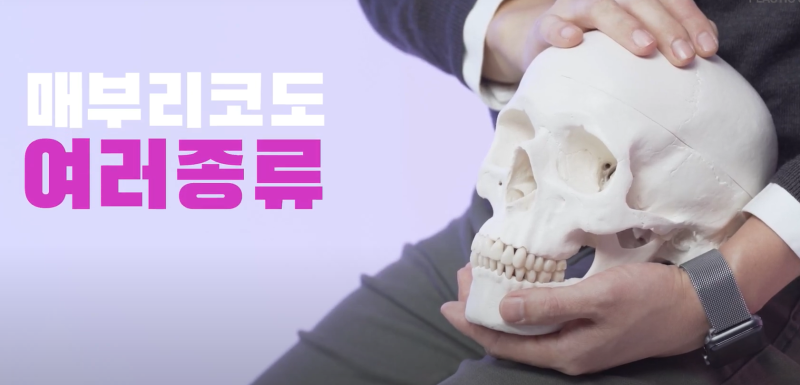
There are also
several types of hump noses.
- When the septal cartilage protrudes
- When the nasal bone itself protrudes
- When the glabella (between the eyebrows) is unusually sunken,
making it look like a hump nose
Usually, the most common case is when the junction
between the cartilage and bone protrudes.

In fact, while hump noses are found in Asians like in Korea,
they are very commonly seen in Westerners' noses.
When there is a dorsal hump,
the nose is often somewhat large like Westerners,
the cartilage is well-developed,
and the nasal tip may point downwards
or be short and upturned.

The biggest cause is
developmental.
The area where the hump occurs is usually
where the bone and cartilage meet.
Developmentally, as the bone and cartilage grow towards each other,
they collide and overlap, which creates
the hump.
Other than that, due to accidents or direct trauma,
bone can form in that area,
causing a hump to develop.

Simply shaving down the causative soft tissue or
bone does not automatically result in a pretty nose.
Shape characteristics, such as a drooping nose,
an upturned nose, or a nose that looks a bit long,
must be treated together to create a beautiful nose.

If the hump is not severe,
simply trimming the small hump
can yield satisfactory results, and by covering it
with an implant,
a smooth nasal bridge line can be created.
Conversely, if the hump is somewhat severe,
the hump needs to be shaved down to some extent,
but the bone thickness is not as thick as you might think.
Therefore, grinding away the entire hump
has realistic limitations.
So, the hump is only trimmed to an appropriate level,
and then an implant or autologous cartilage is used
to fill in the sunken areas,
which can also create a smooth nasal bridge line.

Generally, when the hump is large,
the nasal tip is often droopy and long, so
by using autologous cartilage for this area as well
to beautifully shape the tip, the line from the bridge to the tip
becomes smooth, which leads to satisfactory results.
This is what you can expect.
Also, in the case of hump nose rhinoplasty,
the internal structure of the nasal cavity and the condition of the nasal bone, cartilage, and tissues
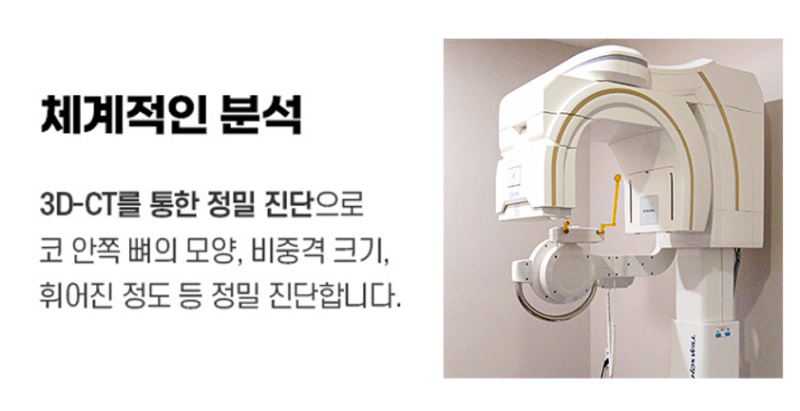
must be precisely checked at a clinic equipped with a 3D-CT scanner.
Accurately identifying the cause and proceeding with the hump nose correction
is very important.
At Vibe Plastic Surgery,
for each individual's unique nose shape and structure,
we precisely analyze the cause through 3D-CT and then
establish a surgical plan.






Frequently Asked Questions
Do I have to shave off all the protruding bone during hump nose surgery?
No, it's not always necessary to shave it all off. The nasal bone is thinner than you might think, so there's a limit to how much can be completely ground down. It's more effective to trim it to an appropriate level and then fill in the sunken areas with implants or autologous cartilage to create a smooth line.
Does a hump nose also cause functional problems like nasal congestion?
Yes, functional problems can accompany a hump nose. If the cartilage inside the nose is deviated or overgrown, the nasal cavity can become blocked, making nasal breathing difficult, and symptoms such as snoring or headaches may appear, so these should be improved together during surgery.
What is the surgical method if the hump is not severe?
Correction is possible with a relatively simple method. Simply trimming the small hump or covering it with an implant can create a smooth and natural nose bridge line.
What are the main causes of a hump nose?
The biggest cause is developmental factors. A hump occurs as the nasal bones and cartilage grow, collide, and overlap. In addition, it can also form due to trauma such as accidents or direct impact, where the bone forms abnormally.
Should tip correction also be done during hump nose rhinoplasty?
Yes, it is recommended to correct them together. In cases of a large hump, the nasal tip often appears droopy or long. Elevating the nasal tip beautifully using autologous cartilage makes the line from the bridge to the tip much smoother.