2026-10-31
Rhinoplasty Side Effects & Solutions (Contracture, Inflammation, Crooked Nose) | Gangnam Revision Rhinoplasty | Vibe Plastic Surgery Clinic
Vibe Plastic Surgery Clinic explains the top 3 rhinoplasty side effects, contracture, crooked nose, and inflammation, along with their causes, prevention tips, and when to seek care.
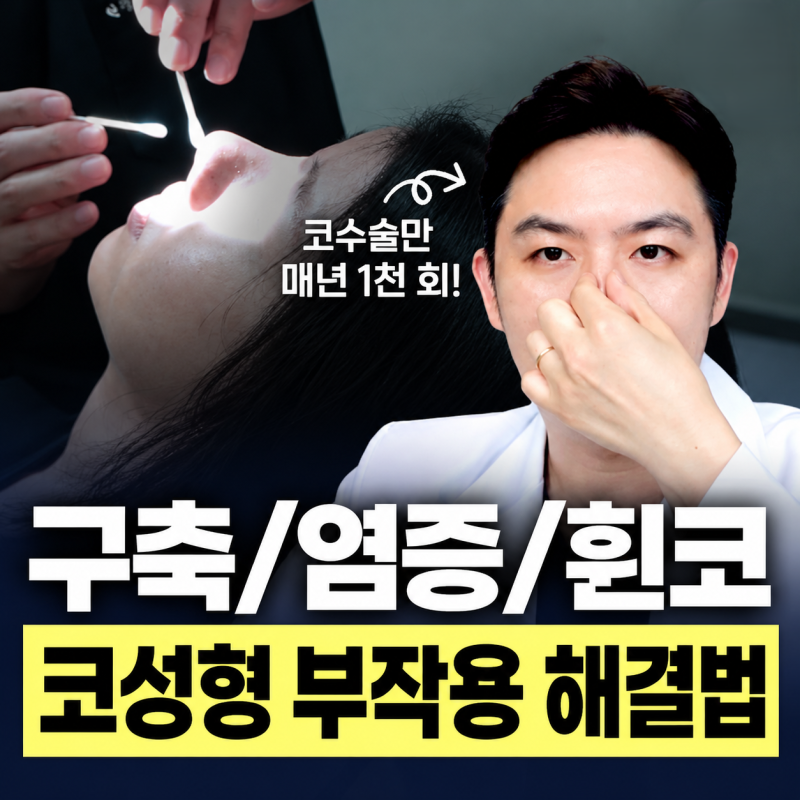
Hello, this is Vibe Plastic Surgery Clinic :)
If you're considering rhinoplasty, it's important to know the possible side effects that can occur after surgery. In particular, if an unexpected problem arises after rhinoplasty, you may need to consider revision rhinoplasty😅
Today, together with Vibe Plastic Surgery Clinic, we'll look at the TOP 3 side effects to watch out for after rhinoplasty, along with their causes and how to deal with them. If you're preparing for rhinoplasty or thinking about revision surgery, please go through today's content carefully.
What are the most common side effects of nose surgery?
The TOP 3 side effects most frequently mentioned after rhinoplasty are contracture, crookedness, and inflammation.
Rhinoplasty is chosen not only for functional improvement but also to boost satisfaction with your appearance, so it's understandable that you'd want to avoid the stress of unexpected problems after surgery. Since side effects may sometimes call for revision rhinoplasty, it's important to understand the relevant information thoroughly before surgery. Today, together with Vibe Plastic Surgery Clinic, we'll take a detailed look at the three representative side effects that can occur after rhinoplasty, their causes, and the warning signs to watch for :)
What exactly is contracture?
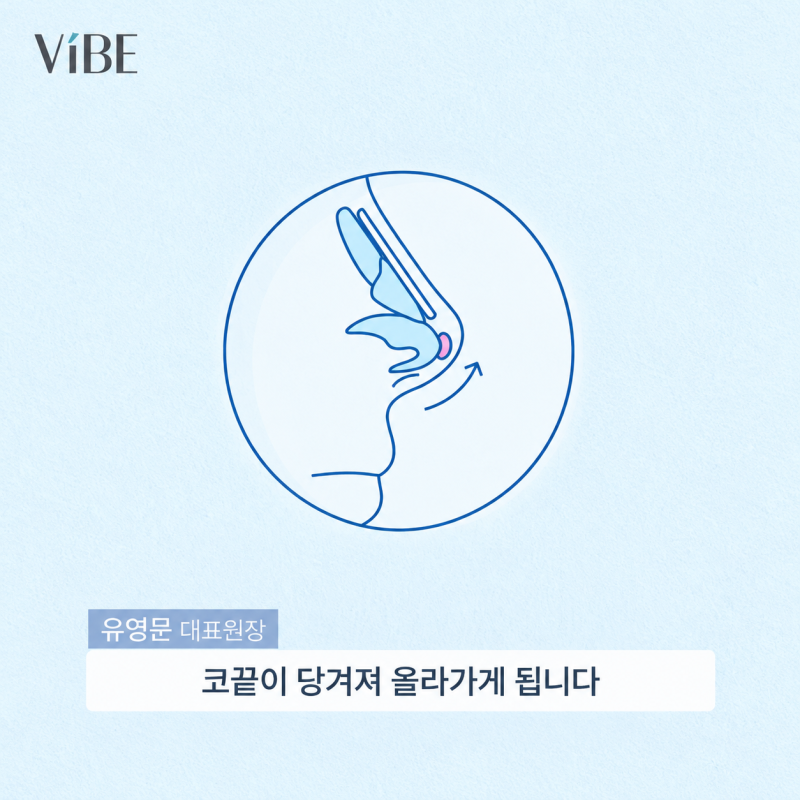
Contracture refers to a condition in which the tissues inside the nose become hard and shrink due to inflammation, infection, or other causes, making the nose appear shorter or causing the tip to lift upward.
Generally, when an implant such as silicone is used and inflammation or infection causes a thick capsule to form around it, the surrounding skin and implant become severely constricted, pulling the tip of the nose upward. The risk may also increase slightly when revision surgeries using implants are repeated several times, as the capsule can thicken with each procedure. However, using an implant does not necessarily lead to contracture, so there's no need to worry too much :)
How can contracture be prevented?
From a surgical standpoint, cleanliness and precision are extremely important so that the procedure is performed under sterile conditions and the wound is well cared for.
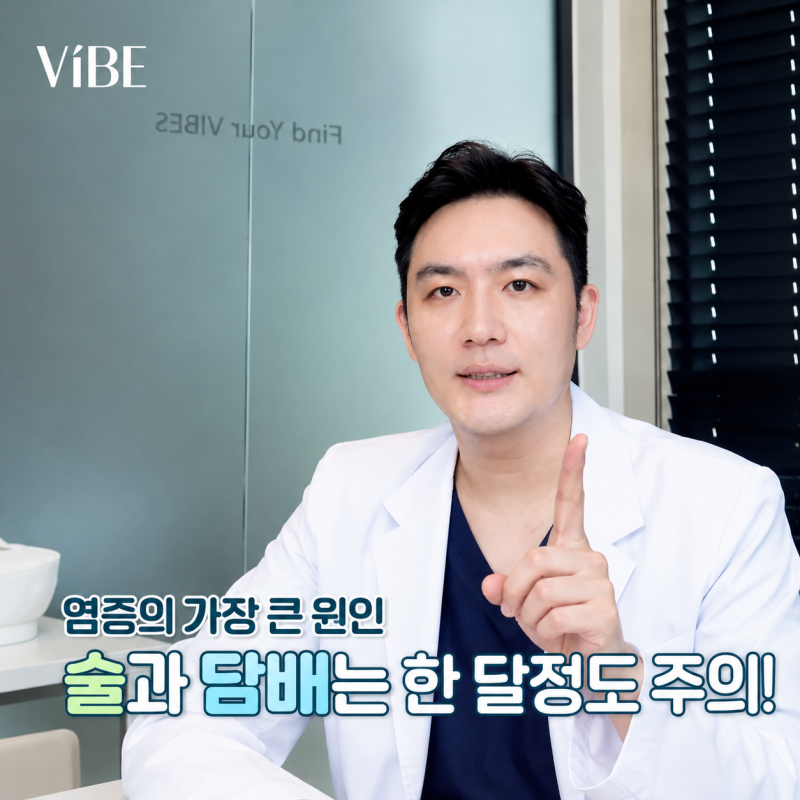
Inflammation is the stage right before contracture develops, and it's a major concern for many people considering revision rhinoplasty! To prevent contracture, you need to be careful about inflammation. If inflammation is well managed in the early stages, the likelihood of contracture can be greatly reduced. Alcohol and smoking are the biggest causes of inflammation, so please avoid them for about a month :)
If you notice pain, swelling, redness, or warmth, don't leave it alone. Contact your clinic promptly to receive treatment, such as antibiotic prescriptions.
Why does the nose become crooked as a side effect?
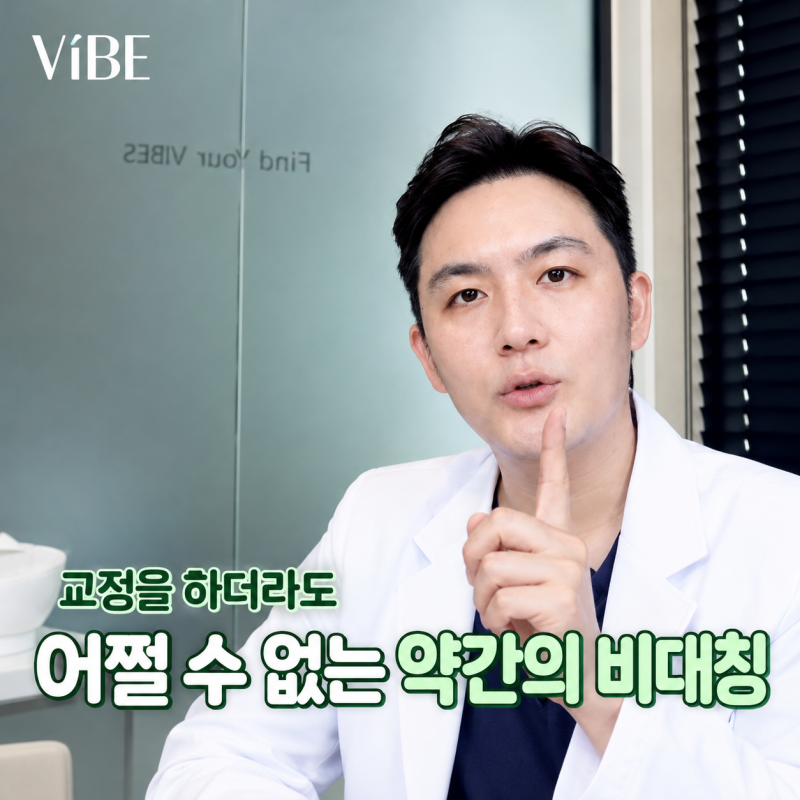
When patients visit for revision rhinoplasty or an initial rhinoplasty consultation, CT scans and photographs are taken. The question we hear most often at that point is, "Why is the asymmetry so severe?" or "Is my face really this crooked?" Many people aren't aware of the asymmetry and axial tilt they already had.
If facial asymmetry stems from congenital skeletal issues, some unavoidable asymmetry may remain even after correction. Also, when the nose is low, subtle features may go unnoticed, but as the nose is raised, they become clearer and therefore more noticeable.
Apart from this unavoidable slight asymmetry, a crooked nose caused by nose surgery is very rare! However, when autologous rib cartilage is used, a phenomenon called warping may cause slight deformation over time. That said, this is very unlikely, and it is a side effect that can be sufficiently prevented!
How can you prevent the nose from crooking after rhinoplasty?
"Doesn't sleeping on your side make your nose crooked?"
Some people are concerned about this, but that's not the case. Instead, avoid frowning or smiling so broadly that your nose is pulled. It's also best to avoid repeatedly bumping your nose or pressing and touching it with your hands. To keep the nose from crooking, it must be analyzed in advance and carefully managed, and when fixing the cartilage, it must be secured firmly enough to prevent bending. Implants also need to be customized!
At Vibe, we conduct more systematic consultations and surgeries to minimize patient discomfort.
Why does inflammation occur, and how can it be prevented?
There are many causes, including inadequate hygiene during surgery, materials that don't suit the patient's body, and poor postoperative care. Among them, the most dangerous factors that raise the risk of inflammation are smoking and drinking! In the early stages, antibiotic treatment and similar measures may be enough, but in severe cases the implant may need to be removed, and revision surgery may be required later, so please be careful!
Vibe's surgical environment and systematic process for revision rhinoplasty and side effect prevention!
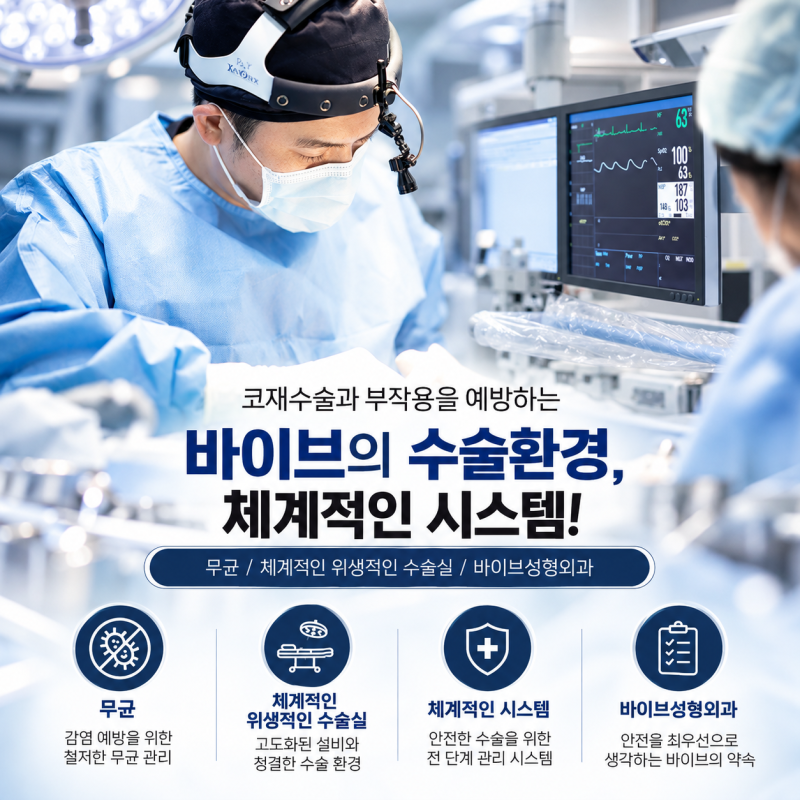
If unexpected side effects appear after rhinoplasty, rather than simply waiting, it's important to accurately identify the cause and take appropriate action, such as considering revision rhinoplasty. Not missing even small warning signs is the first step toward safe rhinoplasty.
For rhinoplasty side effects, a surgical environment and a systematic procedure designed from the outset to lower the risk are just as important as how they're handled after they occur. Vibe Plastic Surgery Clinic aims for safety-first surgery, built on rigorous hygiene management and a systematic surgical process :)
Take a closer look at rhinoplasty side effects at Vibe Plastic Surgery Clinic, from their causes to the right way to respond💜



Frequently Asked Questions
What are the main side effects of rhinoplasty?
The three side effects most frequently mentioned after rhinoplasty are contracture, crookedness, and inflammation. Contracture refers to the hardening and shrinking of tissues inside the nose due to inflammation, infection, or other causes, which makes the nose appear shorter or causes the tip to lift.
Does using an implant always lead to contracture?
No. Using an implant does not always cause contracture. However, if inflammation or infection causes the capsule around the implant to thicken, contracture can develop. Repeated revision surgeries may also slightly increase that risk.
How can contracture be prevented?
It's important to perform the surgery cleanly under sterile conditions and to take good care of the wound. If inflammation is well managed early on, the likelihood of contracture can be greatly reduced. Alcohol and smoking, the biggest causes of inflammation, should be avoided for about a month.
Is nose crookedness caused by surgery?
A crooked nose caused by nose surgery is very rare. However, pre-existing facial asymmetry or axial tilt can become more noticeable as the nose is raised. When autologous rib cartilage is used, slight deformation may develop over time, but the likelihood is very low.
How can I keep my nose from becoming crooked after rhinoplasty?
Avoid frowning or smiling so broadly that your nose is pulled, and refrain from repeatedly bumping, pressing, or touching your nose. Sleeping on your side is not considered a cause of a crooked nose.
What should I do if I suspect inflammation after surgery?
If you notice pain, swelling, redness, or warmth, don't ignore it. Contact your clinic promptly to receive treatment, such as antibiotic prescriptions. Early-stage cases may be managed with antibiotics or similar treatment, but in severe cases, the implant may need to be removed and revision surgery may be required later.