2026-11-12
What If Your Clinic Disappears After Rhinoplasty? The Importance of Aftercare from Vibe Plastic Surgery in Gangnam
Vibe Plastic Surgery explains what to do if your clinic disappears after rhinoplasty, plus tips on pimples, sebum, and treating post-op inflammation.
Hello, this is Vibe Plastic Surgery :)
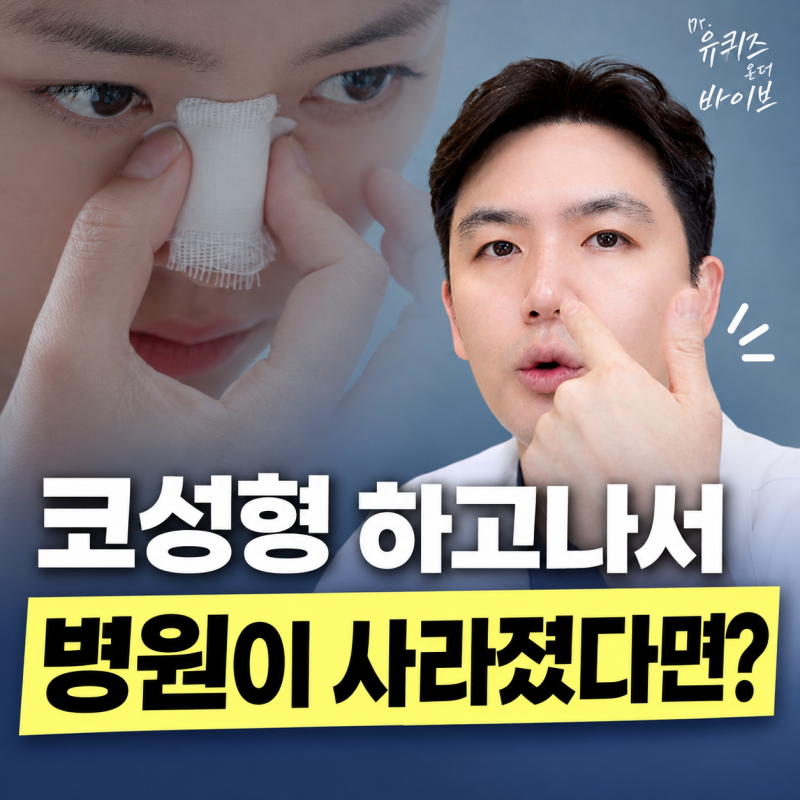
What should you do if your clinic suddenly disappears after your rhinoplasty? It becomes even more stressful if swelling or pain lingers for a long time after surgery, or if you have questions about post-op care and cannot reach the clinic. There are more things to check after surgery than you might expect, including consultations about unexpected discomfort.
Today, Vibe Plastic Surgery in Gangnam will walk you through the questions you may have about post-rhinoplasty care, as well as the small details that are easy to overlook during recovery, one by one!
Is it okay to squeeze pimples around your nose by hand after rhinoplasty?!
After rhinoplasty, pimples or acne can sometimes appear around the surgical area as time goes by. Generally, once several months have passed and your recovery is well underway, you can manage these breakouts. However, you should never squeeze them by hand. If your hands or tools are not clean, or if you apply too much pressure, the skin can become irritated. 🩸 This can lead to wounds or secondary infection!
So if breakouts appear on your nose after Gangnam rhinoplasty, rather than squeezing them on your own, we recommend having a nearby dermatology clinic check the condition and then managing them hygienically.
Should I pay more attention to sebum control after nose surgery?
After nose surgery, it's a good idea to pay closer attention than usual to the condition of the skin around your nose and to sebum control. To answer directly, sebum production or ordinary acne itself does not significantly increase the risk of inflammation at the surgical site. However, large, severely inflamed pimples left untreated for a long time can irritate the surrounding skin or lead to infection, so caution is needed. In particular, if you develop severe inflammatory breakouts close to the surgical site, avoid squeezing them or applying strong pressure. Instead, check with the clinic where you had surgery first.
After Gangnam rhinoplasty, keeping the area clean with the recovery status of the surgical site in mind is more important than simply removing sebum. Avoid forceful extraction and harsh skincare, and take extra care with your skin to help prevent possible inflammation!
What if you suspect inflammation long after surgery?
Even long after rhinoplasty, if you notice signs of possible inflammation such as swelling, pain, or changes in the skin, it's important not to brush them off. The best first step is to visit the clinic where you had surgery and have your condition checked. However, if that clinic has closed, or if it's difficult to visit due to distance or time, find a nearby plastic surgery or ENT clinic and get prompt treatment. 🚨
At Vibe Plastic Surgery in Gangnam, we also see patients who had their nose surgery at another clinic but suspect inflammation. During those visits, we provide first aid and guidance on the direction of treatment. :)
If inflammation occurs, is revision surgery always necessary?
Types of inflammation treatment: 1. Antibiotic therapy 2. Internal irrigation 3. Removal of surgical materials
Just because inflammation develops after Gangnam rhinoplasty doesn't mean revision surgery is always required. What matters is accurately identifying the cause and extent of the inflammation and bringing it under control. Depending on the symptoms, some cases improve with antibiotics alone, while others may require irrigation or the removal of previously placed implants or surgical materials. Afterward, it's important to keep monitoring the progress to confirm that the inflammation has subsided.
In rare cases, inflammation can cause changes in the shape or structure of the nose, and surgical correction may be needed later.
Just as important as the surgical result is consistent aftercare.
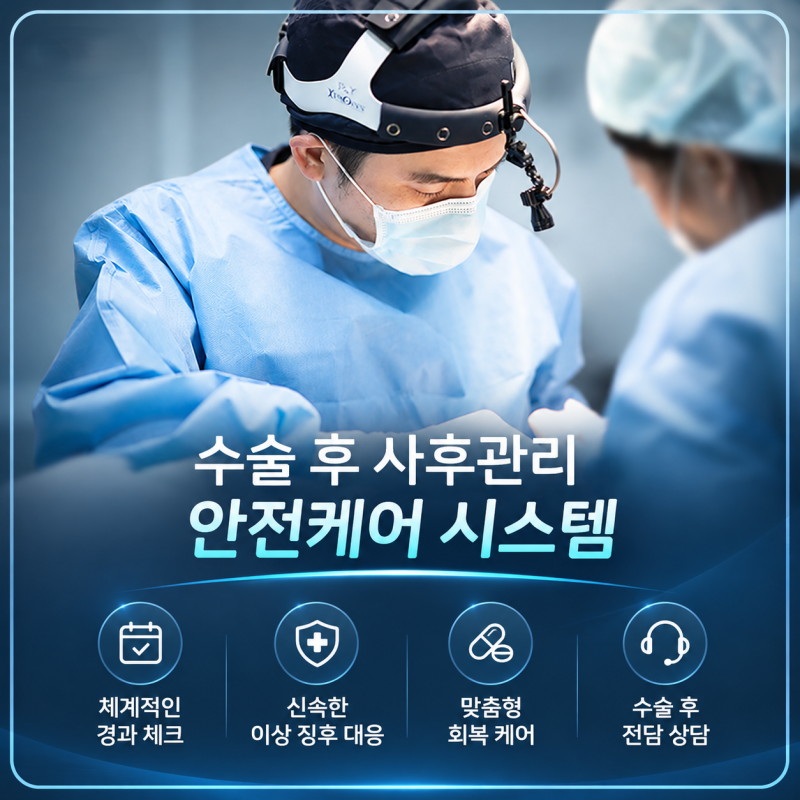
Even long after Gangnam rhinoplasty, unexpected inflammation or discomfort can still occur. That's why it's important to consider long-term aftercare from the very beginning, when choosing a clinic. In particular, since the nose requires long-term care and follow-up after surgery, it's essential to carefully review a clinic's ongoing care environment and aftercare system as well.
Vibe Plastic Surgery doesn't stop at simply achieving a good surgical result. We place great importance on consistently monitoring our patients' recovery and long-term progress even after surgery.
Going forward, we will continue to provide a stable care environment and ongoing aftercare so that our patients can have surgery with peace of mind. We strive for safe and responsible surgery. 💜



Frequently Asked Questions
Is it okay to squeeze pimples by hand after nose surgery?
Once you have recovered well, several months after surgery, you can manage pimples. However, you should always avoid squeezing them by hand. Unclean hands or tools, or applying strong pressure, can lead to wounds or secondary infection. If breakouts appear, it is recommended to have a nearby dermatology clinic check the condition before managing them.
Should I pay more attention to sebum control after nose surgery?
Yes, it's a good idea to pay closer attention than usual to the condition of the skin around your nose and to keeping it clean. That said, ordinary sebum or acne does not significantly increase the risk of inflammation at the surgical site. However, large, severely inflamed breakouts left untreated for a long time can lead to infection, so caution is needed.
Where should I go for treatment if I suspect inflammation after surgery?
The best first step is to visit the clinic where you had surgery and have your condition checked. If that clinic has closed, or if it is difficult to visit due to distance or time, we recommend visiting a nearby plastic surgery or ENT clinic for prompt treatment.
If inflammation develops after rhinoplasty, is revision surgery always necessary?
No, inflammation does not automatically mean revision surgery is needed. Depending on the symptoms, antibiotics alone may be enough to improve the condition. If necessary, irrigation or the removal of previously placed implants or surgical materials may be performed.
How is inflammation after nose surgery treated?
Treatment options for inflammation include antibiotic therapy, internal irrigation, and removal of surgical materials. The approach varies depending on the cause and extent of the inflammation. Even after treatment, it's important to keep monitoring whether the inflammation has subsided.
Can inflammation after nose surgery change the shape of my nose?
Yes, in rare cases, inflammation can cause structural changes, which may require surgical correction later. Since the nose needs long-term care and follow-up after surgery, consistent aftercare is essential.